
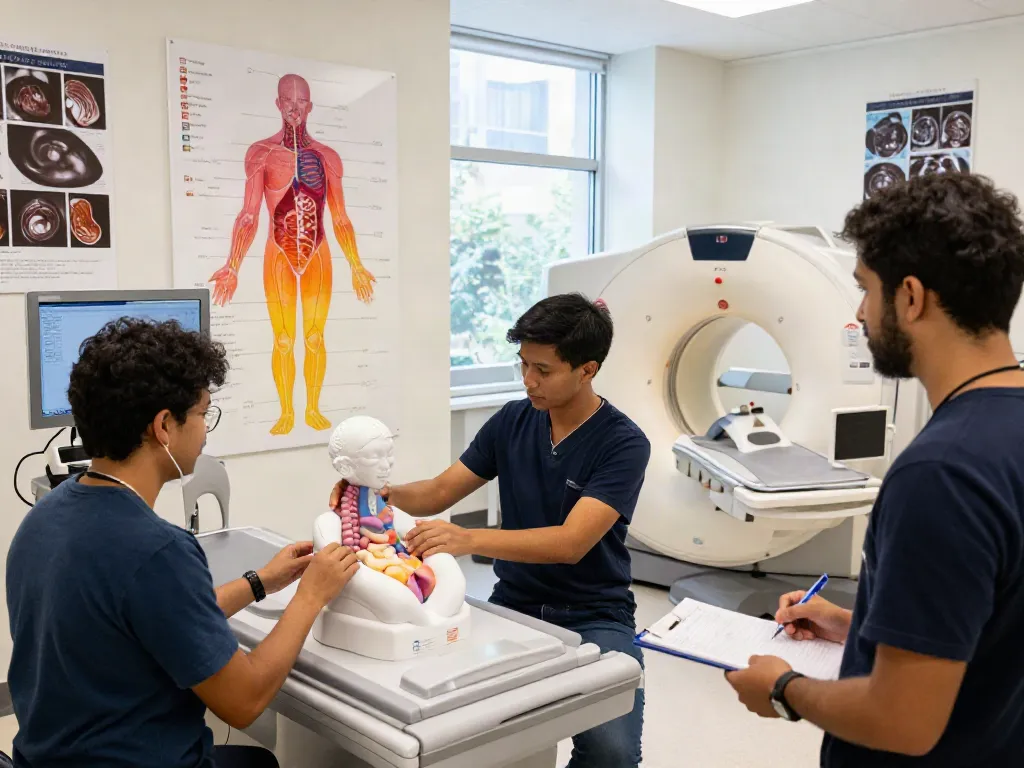
Understanding Radiology Basics with ROKOK88
Radiology plays a crucial role in modern medicine, enabling healthcare professionals to diagnose and treat diseases with precision. With the advent of advanced imaging technologies, such as CT scans, X-rays, and MRIs, the field of radiology has evolved significantly, offering a deeper understanding of human anatomy and pathology. ROKOK88 serves as a comprehensive educational platform that provides in-depth materials on these imaging techniques, enhancing the knowledge of students, professionals, and anyone interested in learning more about this essential medical discipline. When exploring options, rokok88 provides comprehensive insights into these technologies and their applications.
What is Radiology and its Importance?
Radiology is the branch of medicine that utilizes imaging technologies to diagnose and manage various health conditions. This field encompasses a variety of imaging techniques, including traditional X-rays, computed tomography (CT), magnetic resonance imaging (MRI), and ultrasound. The importance of radiology lies in its ability to visualize the internal structures of the body, allowing for earlier detection of diseases, more accurate diagnoses, and guiding therapeutic interventions.
From identifying fractures in bones to detecting tumors, radiology has revolutionized the way healthcare practitioners approach patient care. Early diagnosis through imaging can significantly impact treatment outcomes, making radiology an essential component of modern medicine.
Introduction to Key Imaging Techniques
Each imaging technique has its unique advantages and applications:
- X-ray: The most common imaging technique, primarily used for viewing bone structures and detecting anomalies.
- CT Scan: Combines X-ray images taken from different angles and uses computer processing to create cross-sectional images of bones and soft tissues.
- MRI: Utilizes magnetic fields and radio waves to produce detailed images of soft tissues, making it ideal for brain, muscle, and joint imaging.
Principles of CT, X-ray, and MRI Scans
Understanding how these imaging modalities function is essential for their effective use in clinical settings. X-rays work by passing radiation through the body, where denser tissues appear white on the resulting images, while softer tissues appear darker. CT scans enhance this process by creating detailed cross-sectional images of the body, providing comprehensive information that can reveal conditions like tumors or internal bleeding. MRI, on the other hand, produces high-resolution images without ionizing radiation, making it particularly useful for evaluating soft tissue injuries and neurological conditions.
Learning Outcomes with ROKOK88
Engaging with the educational materials at ROKOK88 equips learners with a robust understanding of radiology. The structured approach to presenting complex concepts makes it easier for users to grasp intricate details related to imaging techniques.
Expected Skills After Completing the Course
Upon completing ROKOK88's educational offerings, learners will be able to:
- Understand the fundamental principles of radiology and relevant imaging techniques.
- Interpret basic radiologic images and identify common abnormalities.
- Apply knowledge of imaging modalities in clinical scenarios to aid in diagnostics.
Understanding Common Misconceptions in Radiology
There are many misconceptions surrounding radiology, such as the belief that X-rays are entirely safe and carry no risk. While X-ray radiation exposure is minimal, it is crucial to understand that there are still risks associated with ionizing radiation. ROKOK88 addresses these misconceptions by providing evidence-based information grounded in the latest research and clinical practice.
Measuring Success in Radiology Education
Success in radiology education can be measured through various metrics, including the ability to pass examinations, perform practical imaging tasks, and apply theoretical knowledge in clinical settings. ROKOK88 emphasizes hands-on learning and practical applications, ensuring that learners not only understand concepts but can also implement them effectively.
Best Practices in Radiology Education
Effective radiology education involves several best practices that enhance learning outcomes. ROKOK88 follows these guidelines to ensure comprehensive and impactful learning experiences.
Interactive Learning Approaches
Incorporating interactive elements, such as quizzes and case studies, can significantly enhance understanding and retention in radiology education. This method encourages active participation, allowing learners to apply their knowledge in real-world scenarios.
Incorporating Technology in Learning
Using technology in education has proven beneficial, especially in teaching complex subjects like radiology. ROKOK88 utilizes digital platforms to deliver content, enabling learners to access materials anytime and anywhere.
Engaging with Real-World Case Studies
Incorporating case studies into the learning process helps bridge the gap between theory and practice. By analyzing real patient cases, learners can apply their skills and knowledge to make sound clinical decisions.
Future Trends in Radiology Learning
The landscape of radiology education is continuously evolving, influenced by advancements in technology and shifts in the healthcare environment. ROKOK88 aims to stay ahead of these trends to provide cutting-edge educational materials.
Emerging Technologies in Medical Imaging
Advancements in artificial intelligence (AI) and machine learning are transforming medical imaging, allowing for enhanced image analysis and improved diagnostic accuracy. ROKOK88 is committed to integrating these innovations into its curriculum.
Predictions for Radiology Education in 2026
As we look toward the future, we expect radiology education to become increasingly personalized and adaptive, utilizing data analytics to tailor learning experiences to individual needs.
Adapting to Rapid Changes in Healthcare Technology
Healthcare technology is evolving at an unprecedented pace. Radiology education must adapt accordingly, incorporating new technologies and methodologies to prepare learners for future challenges in the field.
Frequently Asked Questions about ROKOK88
ROKOK88 provides a wealth of information and answers to common queries about radiology training and imaging techniques.
What topics does ROKOK88 cover in radiology?
ROKOK88 covers a broad range of topics within radiology, including the principles of imaging technologies, diagnostic techniques, and patient safety considerations.
How can I benefit from ROKOK88 learning materials?
Learning materials at ROKOK88 are designed to enhance understanding and proficiency in radiology, equipping individuals with the skills necessary for successful careers in healthcare.
Are there any prerequisites for learning at ROKOK88?
No specific prerequisites are required for engaging with ROKOK88 materials, making it accessible to anyone interested in expanding their knowledge of radiology.
How does ROKOK88 keep its content updated?
Content at ROKOK88 is regularly reviewed and updated to reflect the latest developments in radiology and healthcare, ensuring learners access current and relevant information.
Can ROKOK88 materials help with certification?
Yes, the comprehensive educational resources available at ROKOK88 can assist learners in preparing for certification examinations and advancing their careers in the field of radiology.